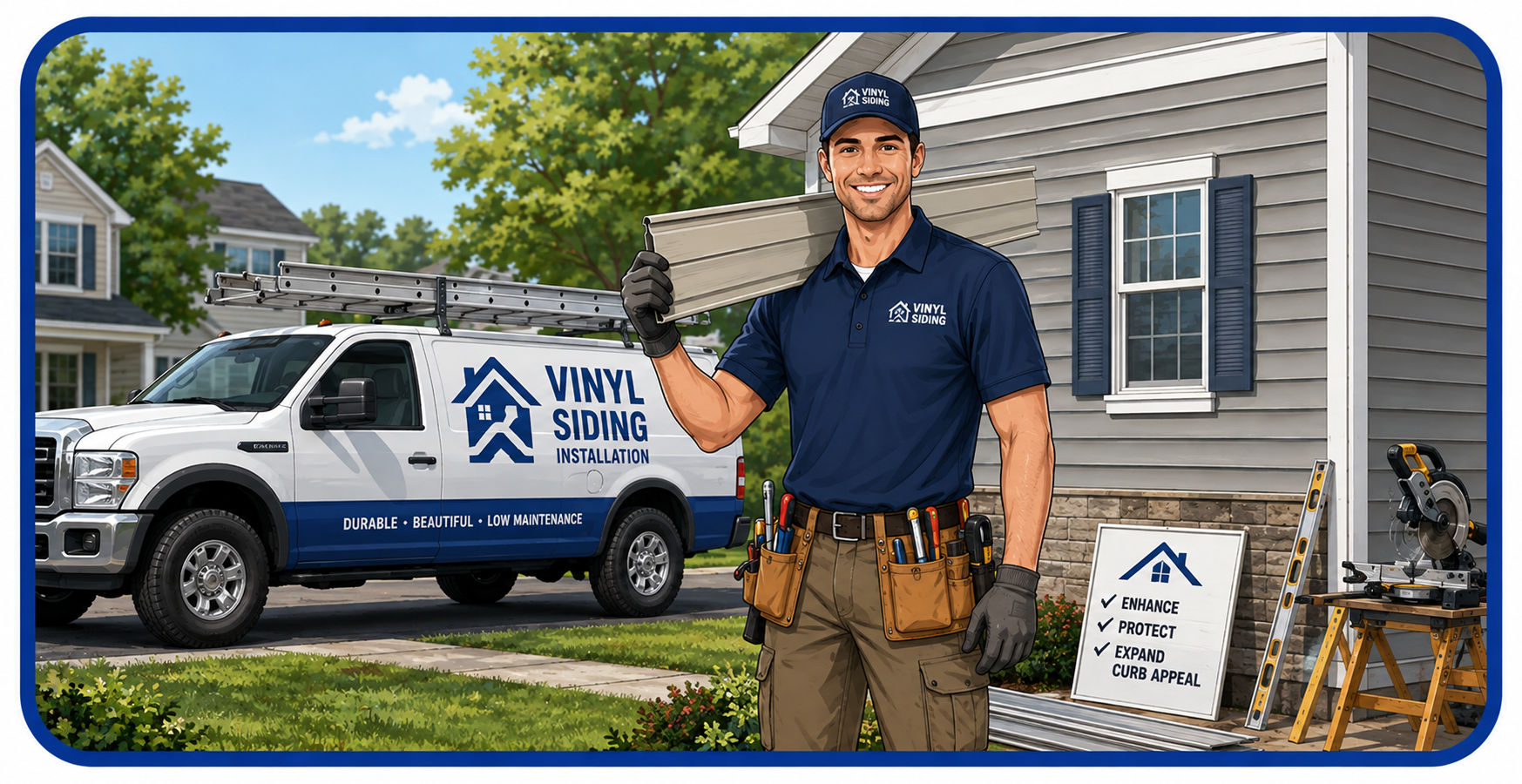
Creative Siding runs trained Emergency Siding Repair crews for homes and businesses in Brownsville, OR. No lead forms, no call centers, no waiting three days for a callback.
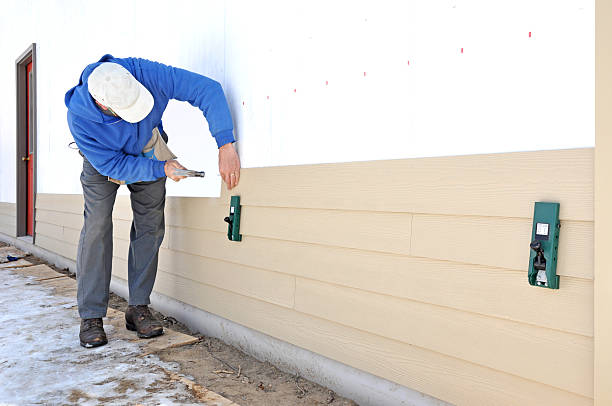
Creative Siding doesn't hand your project off to whoever's cheapest that week. If something needs a follow-up call in year three, you're calling the same business, not chasing down a franchise office.
A lot of what gets marketed as "local" in this industry is really a national lead-generation operation that resells your information to whoever bids highest for the territory that week — we're not that, and we never have been.
New crew members don't touch a customer's exterior alone until they've proven it on smaller jobs first. Skip that step and you get callbacks, voided warranties, and homeowners paying twice.
We've been the crew called after a hailstorm ripped through half a neighborhood in one afternoon, and we've been the crew called to fix a rushed install job from someone else entirely. If a repair genuinely fixes the problem, that's what we'll quote — not a replacement you don't need yet.
We're rarely the cheapest quote on the table, and we won't pretend otherwise — we're the crew that shows up when we say we will and doesn't leave a mess behind. That kind of reputation gets built one job at a time and lost the same way, which is part of why we're careful about which jobs we rush.
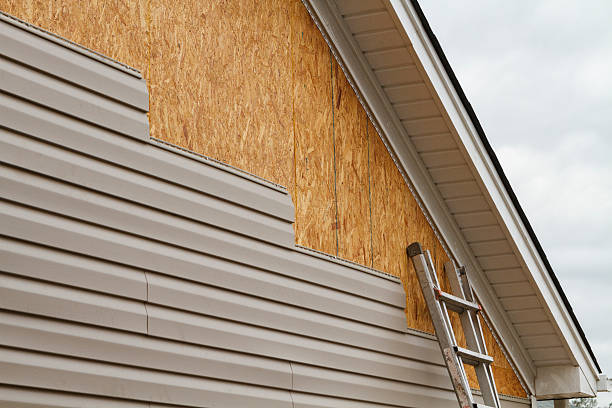
Most siding damage doesn't announce itself right away — it shows up as small clues first.
Whatever's going on with your siding, it lands in one of these four buckets.
Hail and high wind don't wait for business hours, and neither does our emergency line. First priority on an emergency call is always stopping water intrusion — the cosmetic repair comes second.
The reason emergency response matters so much with siding specifically is that the damage compounds fast — what starts as a single panel becomes a section of rotted framing if it's ignored through one more rainstorm.
One cracked panel or a full tear-off — residential jobs get walked in person before a number gets written down. Material recommendations depend on your specific exposure, not a one-size pitch.
Partial repairs move faster, often same-week, since there's no full tear-off or house wrap involved.
Commercial jobs come with tenants and deadlines, and we scope around both, not around our own convenience. We size the crew to the job so timelines don't slip.
We've worked enough property management contracts to know what a board or ownership group typically asks for before approving a project, and we come prepared with it.
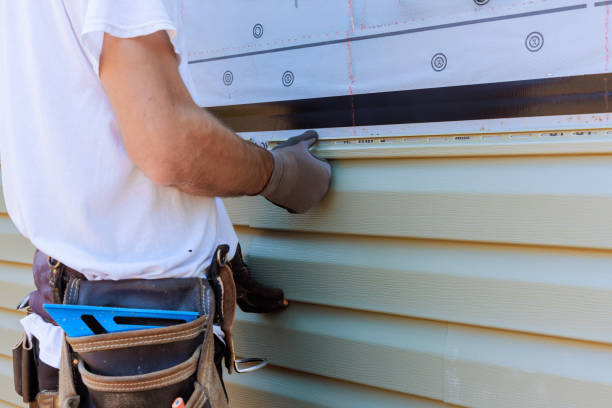
Insulated vinyl does more than update the look of a house — the foam backing adds a real thermal layer that shows up on utility bills. A siding project that skips the trim work usually looks unfinished, and we don't leave a job looking that way.
This category also covers custom requests that don't fit neatly into a standard install — architectural trim details, mixed-material exteriors, or matching an addition to an older home's original siding profile.
Every job starts as a phone conversation, not a sales script — call +1-844-782-0929.
Every material has a place — the job is matching it to your budget, your climate exposure, and how long you plan to stay in the home. Ask us for lifespan numbers on any of these during your estimate — we'll pull them up on the spot.
Vinyl remains the most common choice because it balances cost and durability well for most climates in Brownsville, OR. That's part of why we walk the property in person before recommending a material — a photo doesn't show which side of the house takes the worst weather.
A twenty-five-year warranty sounds identical from one company to the next until you read what actually voids it, and we walk through that with every homeowner before they commit to a material.
We'll let the comparison speak for itself.
Most of what separates a good siding job from a bad one doesn't show up on install day — it shows up eighteen months later when a warranty either holds up or doesn't, when a repair either lasts or fails again, when the company you called either still exists or has changed names twice.
| What You Get | With Creative Siding | Some Other Companies |
|---|---|---|
| Pricing | Written, itemized estimate before work starts | Verbal ballpark, line items added later |
| Licensing | Verified OR license, shown on request | "Trust me" — no documentation offered |
| Response Time | Estimates scheduled within 48 hours | Days of unreturned calls |
| Crew | Trained, background-checked, employed directly | Rotating day-labor subcontractors |
| Warranty | Manufacturer-backed, documented in writing | Verbal promise, hard to enforce |
| Cleanup | Daily debris removal, protected landscaping | Cleanup "at the end," if at all |
None of this is complicated, and none of it should be unusual — it's just easy to skip when nobody's checking, and there's no state agency showing up to verify that a contractor actually followed through on any of it.
"Every other quote I got was a round figure with no breakdown — this one had material and labor listed separately."
"Half our exterior came down in high winds and I expected to wait days — they came out that same evening."
"As a property manager, the thing I care most about is someone sticking to the timeline, and they did exactly that."
"Another contractor told us we needed a full tear-off — this crew looked at it and said a repair would hold for years."
"Switched to insulated vinyl and the next bill actually showed the difference."
"We'd put off replacing our siding for years because every quote felt like an upsell — this one didn't feel that way."
"Saved thousands compared to what we were braced to pay."
These are the ten questions that come up most often during estimate calls, answered the same way we'd answer them on the phone.
Emergency calls are typically seen the same day, especially if water is actively getting in.
Yes — every job gets a written, itemized estimate before anything is scheduled.
We take storm and wind damage calls outside normal business hours, not just during the day.
Vinyl tends to run more affordable, fiber cement costs more upfront but lasts longer.
This coverage protects your property, not just ours.
If an exact match isn't available, we'll say so before starting the repair, not after.
Yes — we photograph and document damage on arrival and coordinate directly with your insurance adjuster.
Most single-family homes are completed within a week, weather permitting.
Vinyl is more affordable and performs well for most homes in this area.
If you're not on-site, we can send progress photos so you're not left guessing.
Crews are dispatched throughout Brownsville, OR and the surrounding areas — if you're not sure we reach your address, just ask. Reach out at +1-844-782-0929 and we'll tell you straight if your address is in range.
A property fifteen minutes outside Brownsville gets the same estimate process and the same crew standard as one downtown.
Call +1-844-782-0929 for a free, written estimate in Brownsville, OR.
Call +1-844-782-0929